Sunday, 10 March 2024

Exploring Generosity and Compassion at an Old Age Home in Chaheru, Punjab

On the occasion of Maha Shivratri and International Women's day our university decided to take us to an old age home near our university. This was founded by few localities namely, Avtar Singh Mann, Gian Singh Surjit, Sital Singh Sitara and Rajinder Singh Bhatti. These individuals had faced hardships due to their disabilities but they were blessed to be able to achieve much in their life to be able to help others too. This was when they decided of framing the building for the needy around them. 

Nestled in just between the midpoint of satluj and beas river, lies an old age home that embodies the essence of generosity and compassion. As I stepped through its welcoming gates, I was greeted by the peaceful aura of the place, where stories of lifetimes were etched into every corner.

The first thing that caught my eye was the magnificent Gurudwara, standing tall and proud within the premises. Its golden domes shimmered under the bright sun, inviting all to seek solace and spirituality. The inside of the gurudwarawas even more breathtaking, it was lit up with beautiful and calming lights and the oppurtunity of getting the prasad made it even more divine.


Walking further, I was introduced to the residents of this home, elderly individuals whose faces lit up with warmth as they shared their tales with us. Each wrinkle on their faces seemed to hold a story, a testament to the lives they had lived. Despite the challenges of aging, their spirits remained strong, expressing the sense of community and care that surrounded them.

What struck me the most was the inclusivity of this place. Not only did it serve as a haven for the elderly, but it also extended its arms to single parents and disabled children. In a special wing of the home, children with disabilities found a safe space to learn, play, and grow. The laughter of these children echoed through the halls, a reminder of the joy that can be found in even the most challenging circumstances too.

As I spent more time in the old age home, I witnessed the tireless dedication of the staff. Their commitment to serving others was truly inspiring. Whether it was preparing meals with love, organizing activities, or simply lending a listening ear, they went above and beyond to ensure that every resident felt valued and cared for.


One of the most touching moments of my visit was witnessing the connection and sensitivityof the bonds of the elderly people and young staff. It was a beautiful sight to see, bridging the gap between generations and fostering a sense of unity and understanding.

Leaving the old age home, I carried with me a profound sense of gratitude. Gratitude for the opportunity to witness such selfless acts of kindness, and gratitude for the reminder that compassion knows no bounds. In a world that can often feel chaotic and divided, places like this old age home stand as beacons of hope, reminding us of the power of empathy and community.

If you ever find yourself spiritless or apathetic, I urge you to visit this remarkable place. It is more than just an old age home; it is a testament to the enduring spirit of humanity and how one must never lose hope no matter how bad it gets for you, just keep your faith and devotion in the divine and your deeds and one shall be blessed with divinity and blessings.

A Visit to a Government School in Chaheru, Punjab: Reliving Nostalgic School Moments

There's something magical about stepping back into a place that holds so many memories. Recently, I had the delightful opportunity to visit a government school in Chaheru, Punjab, and it felt like stepping into a time capsule of my own school days.

As I walked through the gates, the sound of school bell filled the air, instantly transporting me back to my own schoolyard. The school was alive with energy, with students running around, their faces beaming with excitement.


The first stop on my visit was the schoolyard as we were there to perform an act on media literacy. The walls were adorned with colorful graffiti and a chart containing names of class toppers, a vivid reminder of the creativity and responsibility that fills a school environment. The students were deeply engrossed in their studies, some scribbling away in notebooks, others listening intently to their teachers. It was heartwarming to see the dedication of both students and teachers alike.

One of the most nostalgic moments for me was observing the recess. Rows of students lined the corridor, and the feeders welcomed me with a warm smile. Me and my friends couldn't resist without trying the food and as we tasted it the food brought back a flood of memories from my own school journey.

During the recess the playground was alive with activity, children playing hopscotch, tag, and other games. I couldn't help but join in, and for a moment, I was transported back to my own days of carefree play. The joy on the children's faces was infectious, and it was a reminder of the simple pleasures of childhood.


The highlight of my visit was undoubtedly the interaction with the students. Their enthusiasm was contagious, and they bombarded me with questions about my own school days. We shared stories of our favorite moments, the mischief we got into, and the dreams we had for the future. It was a beautiful exchange of experiences, bridging the gap between generations.

As the day came to a close, I found myself reluctant to leave. The school had left an indelible mark on my heart, reminding me of the values of education, friendship, and the joy of learning. My visit to the government school in Chaheru, Punjab, was more than just a trip down memory lane; it was a celebration of the universal experiences of school life.

In those brief hours, I relived the innocence of childhood, the thrill of discovery, and the warmth of community. The school may have been a physical place, but its spirit transcended its walls. It was a reminder that no matter where we come from, the joys of school are universal, and they stay with us long after we've left the classroom.

As I said my goodbyes and walked out of the school gates, I carried with me not just memories, but a renewed appreciation for the role schools play in shaping young minds and creating lasting bonds. The visit to school was not just a trip—it was a journey back to the essence of what made the school days so special.

Tuesday, 27 February 2024

Exploring the Waves: A University Student's Trip to Radio Mirchi, Jalandhar, Punjab

As a university student with a passion for media and communications, the opportunity to visit Radio Mirchi in Jalandhar, Punjab was a dream come true. Radio Mirchi, one of India's leading radio stations, is renowned for its lively shows, music, and engaging hosts. This trip promised not just a glimpse but an immersion into the world of radio broadcasting.

The excitement was palpable as I set off on the journey to Radio Mirchi. Located in the heart of Jalandhar, the station's reputation preceded it. The anticipation grew with every passing mile, imagining the buzzing atmosphere behind the studio doors.


Upon arrival, we were warmly welcomed by the station staff. The studio itself was a marvel, with brilliant equipments and a vibrant atmosphere. It was fascinating to see how each element of a radio show comes together, from the sound mixing boards to the recording booths.

One of the highlights of the visit was meeting the hosts behind the voices we hear on air. They were incredibly welcoming, sharing insights into their daily routines, how they prepare for shows, and the spontaneity required for live radio. It was inspiring to see their passion for connecting with listeners and creating engaging content.


Beyond the on-air charisma, we got a glimpse into the meticulous planning that goes into each show. From scripting to selecting music playlists, every aspect is carefully curated to deliver the best experience for the audience. The energy and creativity behind the scenes were truly impressive.

Our visit wasn't just observing from afar; we were encouraged to participate in interactive sessions. We had the chance to try our hand at announcing, creating mock segments, and even engaging in live sessions. It was a hands-on experience that brought the theory of radio broadcasting to life.

As the visit came to an end, I left with a newfound appreciation for the world of radio broadcasting. The trip to Radio Mirchi was not just educational but also deeply inspiring. It highlighted the power of audio storytelling and the impact radio can have on its audience.

Visiting Radio Mirchi in Jalandhar was an unforgettable experience. From witnessing the magic behind the mic to interacting with passionate hosts, it was a journey that illuminated the artistry of radio broadcasting. As a university student aspiring to work in media, this trip was not just a glimpse into a studio but a step closer to realizing a dream.

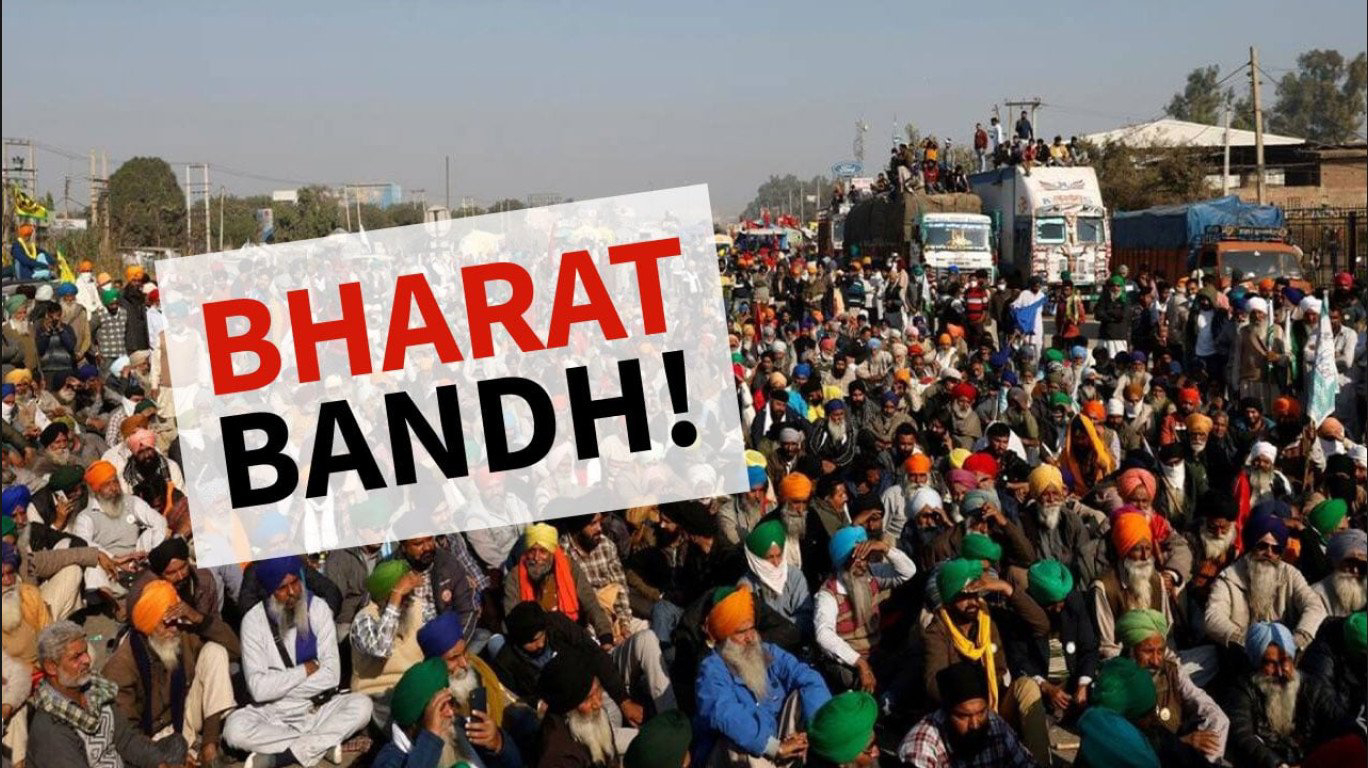
16th February: Bharat Bandh

Bharat Bandh, a term that resonates with a sense of collective dissent and nationwide protest, has become a significant phenomenon in the socio-political landscape of India. The words "Bharat Bandh" literally translate to "India Strike," and the event typically involves a coordinated shutdown of various economic activities and services across the country. This form of protest is often employed by diverse groups, including trade unions, political parties, and social organizations, to draw attention to their grievances and push for socio-economic reforms.

The roots of Bharat Bandh can be traced back to India's historical struggle for independence, where mass strikes and protests played a crucial role in mobilizing public opinion against colonial rule. Over the years, the concept has evolved into a tool for expressing discontent with government policies and advocating for the rights and interests of different sections of society.
One of the recurring triggers for Bharat Bandh has been opposition to government policies that are perceived as detrimental to the common people. These policies often relate to economic reforms, labor laws, and agricultural practices. For instance, in recent times, the agricultural sector has been a focal point of protests, with farmers expressing concerns about the impact of new farm laws on their livelihoods. The demands include fair prices, protection from exploitation by corporate entities, and the preservation of the Minimum Support Price (MSP) system.

The bandh is not limited to economic concerns; it also serves as a platform to address broader social issues. It becomes a collective voice for marginalized sections of society, highlighting issues such as caste-based discrimination, gender inequality, and religious intolerance. The protests aim to draw attention to the need for social justice and equality.
While Bharat Bandh is predominantly a non-violent form of protest, there have been instances of clashes between protesters and law enforcement. Critics argue that the shutdown disrupts normal life and economic activities, affecting businesses and citizens who may not be directly involved in the issues being protested. The success of Bharat Bandh lies in its ability to bring attention to the grievances and influence policy changes.

In conclusion, Bharat Bandh is a powerful expression of dissent and a manifestation of the collective will of the Indian people. It reflects the complexities of the socio-economic and political landscape, showcasing the diverse challenges faced by different sections of society. The sustainability and impact of Bharat Bandh depend on the ability of the organizers to garner widespread support, engage in constructive dialogue, and influence positive changes that address the concerns of the broader population.

Friday, 16 February 2024

Student Perspectives on Generational Differences

Host: Hello guys and welcome back to my blog, where we delve into the fascinating topic of generational differences in attitudes and behaviors. Today, we'll explore how various generations approach life, work, and relationships. Joining me is my fellow mate Malavika Pillai, a student of Btech CSE from Lovely Professional University.

Speaker : Thank you so much for having me here with you. 

Host: So starting off with what are some common generational differences students perceive in today's educational landscape?

Speaker: Students often perceive differences in technology usage, communication styles, approaches to learning, and attitudes towards authority and collaboration among different generations.


Host: How do these generational differences impact student interactions within educational environments?

Speaker: Generational differences can affect student interactions by influencing communication patterns, expectations of teaching methods, and perspectives on teamwork and authority.

Host: Are there specific challenges or advantages associated with bridging generational gaps in educational settings?

Speaker: Challenges may include miscommunication and conflicting expectations, while advantages can include exposure to diverse perspectives and enhanced collaboration skills.

Host: What strategies can educators employ to effectively navigate generational differences and foster inclusive learning environments?


Speaker: Educators can promote understanding by encouraging open dialogue, leveraging technology to facilitate communication, and incorporating diverse teaching methods that cater to various learning preferences.

Host: How do generational differences influence student perceptions of traditional education systems versus alternative learning approaches?

Speaker: Generational differences may shape students' preferences for traditional or alternative learning approaches based on factors such as flexibility, engagement, and alignment with their personal learning styles and goals.

Host: Thank you Malavika, for sharing your words with us today. And thank you to our audience for joining in. So...join us next time for another such engaging discussions. Until then, take care.

Thursday, 15 February 2024

Visit to district court, jalandhar

On 9th February, I had the opportunity to visit the district court in Jalandhar. It was an insightful experience where I gained valuable knowledge about the legal system and court proceedings. This report aims to provide an overview of my visit and the observations made during my time at the district court.I was lucky enough to have an advocate let me know about the working and functionality of the court. He told us that around 35 judges are present in this district court whereas it may vary in different districts and how there are around 150 cases per month.

Since, stereotypically it is said that punjab has more drug cases than other states but when inquired, it was found out that this is not the case and drug cases are arising more from Delhi and nearby areas. While inquiring I was told how their are certain conditions that need to be met if a person wants to apply for a case in district court or any higher court. Cases like the ones of bail appeal are not filed in the district courts. One must put such appeal in higher courts. The basic jurisdiction like that of family disputes/wedding/local crime are handled by district courts only.
Also while looking into the jurisdiction and procedures of court I realised that there is no specified amount of time given to each case. The longevity of the case depends on its nature, filing of the case and mutual understanding of the parties in versus of each other. Usually it would take almost around 10 years to solve a single case filed on the succession or division of a land. There are also two types of plans: The action plan and second The five year plan. It also depends on which type of case is being dealt with. If it's a five year plan case then it'll be given dates every month whereas if the case belongs to the action plan, it'll be given more priority so as to resolve the case as soon as possible.  

I was also able to get to know about one of such cases where it has been almost 10 years and the case still hasn't been resolved. The party has changed their lawyers multiple times and if one side of the party is not present on the given date then the date is extended without any proceedings in the case. Although the case is in priority list, still it takes a lot of time to solve it in the right way. It might be possible that things get heated out of the court room but inside the building of court and when this happens and if any sort of violence is included in such cases, the culprits are instantly charged with cases to prevent any such happenings. A number of policemen and guards are present in the building to prevent any such activity or situation where it might create a ruckus. The advocates too have personal policeman with them during the proceedings to prevent any kind of harm or violence.
I also observed that many toddlers were roaming around the place so I thought if inquiring about that too. According to the statement given by the speaker, he told how children aren't involved during the hearing procedure and working of the case so as to prevent the child's mental health. There is also a separate centre made for kids to be able to meet their parents during the procedures of custody and the adults must have permission so that the kids are not even near to any dangerous situation. 

We all might be knowing some or the other things about the courts and jurisdiction of our country but this visit made me realise how much more lies ahead of us when we talk about our Indian law and judicial systems. Number of rules and regulations are followed even on district levels to provide the people with justified jurisdiction. So many different strategies and programmes are present to make case resolving easier and faster for people to serve justice as soon as possible. After this visit, I definitely have realized quite a lot of new things and learned a lot more about or judicial system.

Thursday, 8 February 2024

A wonderful day at Harike Wetland in Punjab.

Hello there! On the ocasion of world wetland day(2nd February) I visited Harike Wetland in Punjab and so wanted to share my amazing experience. It's a fantastic place filled with nature's wonders that left me feeling happy and connected to the world around me.

When I first arrived, the sun was shining, and the air was fresh. As I walked along the well-kept paths, I could hear the sounds of birds singing in the distance. Harike Wetland is a special home for many different kinds of birds. During the winter, it becomes a temporary home for birds like Siberian cranes, painted storks, and ducks who travel a long way to enjoy its warmth.

The wetland is big, and there are lots of green plants everywhere. It felt like a calm oasis away from the busy city. The trails are easy to walk on, and the view from the elevated platforms is breathtaking. I saw the water reflecting the trees and the sky, making everything look like a beautiful painting.

Although everything till now seems too good but it really was as good as I'm describing it. But with this I also had to face quite a lot of problems that the community should take care of as of like absence of washrooms and water or food stalls. 

I do understand that by not providing food stalls they are ultimately protecting the environment from getting polluted or dirtied by the visitors but water is a basic need and especially if the weather is humid or hot. It is tough for visitors to prepare themselves to roam without any food or water available and not even washrooms. Also, the walking distance from the entrance gate to the deck is quite a lot which might be tiring and also a difficulty if someone decides to visit the place with children or some elderly people.


I will say though that we were provided by food from a nearby gurudwara but it was during afternoon and what if someone decides to take an evening visit or tout them they will have to face lot of problems if not known about the policies and regulations. 

In conclusion, Harike Wetland is definitely a magical place where nature shows its beauty. Whether you love birds or just want a peaceful retreat, this wetland in Punjab is a place that will leave you with a happy heart and a love for the wonders of our natural world.

My Durga Puja Adventure in Delhi: A City Immersed in Devotion

 Delhi, the bustling metropolis of India, transformed into a vibrant canvas of colours and devotion during Durga Puja. As a first-time visit...